Your cart is empty
Continue Shopping
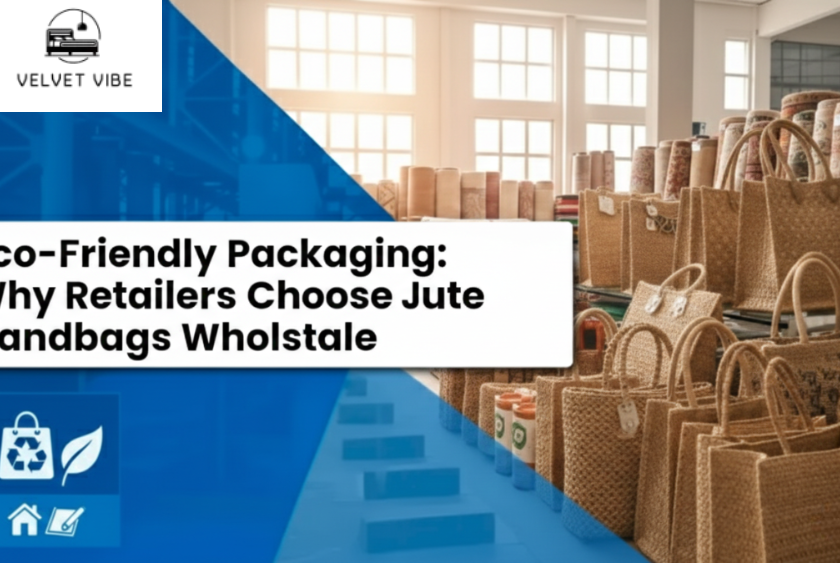
If you are searching for jute handbags wholesale, you are likely planning your next packaging decision carefully. You want something eco-friendly, strong, affordable in bulk, and suitable for modern retail.
In 2026, packaging is no longer a small operational detail. It affects compliance, customer trust, repeat sales, and even brand visibility. Retailers across grocery, fashion, gifting, and lifestyle segments are reviewing their packaging strategy more seriously than ever.
This guide explains why retailers are choosing jute, how it compares to plastic and paper, what technical standards matter in wholesale buying, common sourcing mistakes, and what is working in today’s market.
By the end, you will have a clear understanding of whether wholesale jute handbags is the right step for your retail business.
Let’s look at what has changed.
Over the past few years:
Earlier, packaging was mainly about cost and convenience. Today, it also represents responsibility.
When customers see reusable packaging, they associate it with quality and long-term thinking. When they see thin disposable plastic, it often creates a negative impression.
Because of this shift, many businesses are exploring cheap jute bag wholesale options that balance price and durability without compromising brand perception.
Before buying in bulk, it is important to understand what makes jute suitable.
Jute is a plant-based natural fiber known for:
Unlike plastic, jute decomposes naturally. Unlike paper, it does not tear easily when carrying heavier items.
When retailers search for jute bags online wholesale, they usually look for:
Durability is essential because packaging failure affects customer trust immediately.
Retailers often evaluate packaging options based on cost, durability, and compliance.
Plastic bags are usually the cheapest per unit. However, they are single-use and increasingly restricted. They also offer almost no reuse value.
Paper bags are biodegradable and widely accepted. However, they weaken under moisture and tear under heavy weight.
Now consider jute handbags wholesale.
The upfront cost may be slightly higher than plastic. But jute bags are reusable for months or even years. Customers often bring them back for shopping. That means brand visibility continues long after checkout.
When retailers calculate long-term value instead of just initial cost, jute becomes a practical choice.
A mid-sized grocery store faced increasing plastic restrictions. They shifted to cheap jute bags wholesale after evaluating durability and cost.
Within months:
The store did not dramatically change pricing. But customer perception improved because the packaging felt durable and responsible.
This shows how packaging decisions can influence operational outcomes and brand image.
Not all jute bags meet the same standards. Bulk buyers should focus on technical details.
GSM indicates density. For retail packaging, 250–350 GSM is common. Lower GSM reduces strength.
Look for:
Weak stitching is one of the most common issues in low-cost sourcing.
Handles must support realistic weight loads. Poorly attached handles lead to customer complaints.
For grocery use, inner lamination may help protect against moisture.
When sourcing jute bags online wholesale, request physical samples. Test them with actual products before approving bulk production.
Textile manufacturing hubs often provide better quality control due to skilled labor and established processes.
Panipat, Haryana, is known for:
Manufacturers in such hubs often have structured inspection processes before dispatch.
When evaluating suppliers, retailers should consider:
Reliable supply chains reduce long-term operational risk.
A fashion boutique wanted eco-friendly packaging aligned with its premium positioning.
Initially, they purchased low-cost bags without clear specifications. Issues appeared:
After implementing clear GSM and stitching standards and sourcing structured wholesale jute handbags, quality stabilized. Customer feedback improved.
The lesson is simple: detailed specifications prevent bulk-order issues.
Retailers sometimes face avoidable problems when purchasing cheap jute bags wholesale.
Very low pricing may mean thinner fabric or weaker handles.
Without load testing, defects appear after bulk delivery.
Improper compression during transport can damage bags.
Clear documentation prevents misunderstandings.
Structured sourcing reduces risk.
Before placing a bulk order for jute handbags wholesale, follow this simple approach:
This framework ensures consistency and quality.
Retailers who adopt jute packaging often expand into related eco-friendly categories, such as
Offering coordinated sustainable products creates a stronger store identity.
Customers respond positively when packaging and products reflect the same values.
Retail packaging trends suggest:
Retailers who adapt early reduce compliance stress and future adjustments.
Sustainability is becoming standard practice, not a marketing feature.
Choosing jute handbags wholesale is not about following a trend. It is about making a practical decision based on durability, compliance, and long-term value.
Reusable packaging reduces waste, improves brand visibility, and aligns with customer expectations. But success depends on structured sourcing, clear technical standards, and consistent quality control.
If you are ready to shift toward reliable, retail-ready jute packaging, evaluate experienced manufacturers carefully. Pruthi Shoppers Pesrur, based in Panipat, Haryana, is known for supplying quality-checked wholesale jute handbags and home decor products designed for modern retailers.
Review their specifications, request samples, assess durability standards, and take the next step toward upgrading your packaging strategy today. The right wholesale decision now can strengthen your retail brand for years to come.
Retailers choose jute handbags wholesale because they are durable, reusable, and biodegradable. They help reduce plastic dependency, improve brand perception, and provide long-term value. Bulk purchasing also lowers per-unit cost, making them practical for modern retail operations.
Cheap jute bags wholesale can be reliable if they meet proper quality standards. Retailers should check fabric thickness (GSM), stitching strength, and handle reinforcement. Low price alone should not determine quality. Sample testing before bulk orders is strongly recommended.
Yes, jute bags can be customized with printed logos, brand names, taglines, and specific sizes. Most wholesale manufacturers offer screen printing or digital printing options. Customization helps increase brand visibility because customers often reuse the bags repeatedly.
For most retail uses, 250–350 GSM is considered suitable. Lower GSM may reduce durability, while higher GSM increases strength for heavier products. The ideal GSM depends on whether the bag is used for groceries, clothing, or general merchandise.
Jute bags are better in terms of sustainability and reuse. They are biodegradable and reduce long-term environmental impact. Plastic bags are cheaper initially but are single-use and often restricted by regulations, making jute a lower-risk option.
Buying jute bags online wholesale can be safe if you verify the supplier’s credibility, request samples, confirm specifications, and clarify production timelines. Clear written communication and documented quality standards reduce the risk of bulk-order issues.
With proper stitching and quality fabric, jute bags can last for months or even years under normal use. Their durability depends on GSM, handle strength, and how much weight they regularly carry during daily use.
Yes, jute bags are widely accepted in export markets, especially where sustainable packaging is preferred. Proper bulk packing, moisture protection, and correct documentation are important to ensure smooth international shipping and compliance.
Panipat is recognized as a textile manufacturing hub in India. It has skilled labor, established production systems, and experience in export-quality goods. Many retailers source jute and home decor products from this region due to consistent craftsmanship.
Yes, eco-friendly packaging is expected to grow in importance. Regulatory pressure, consumer awareness, and sustainability commitments from brands suggest that reusable and biodegradable packaging solutions will continue gaining demand over the next several years.
Developed & Maintained by Era Sky Technologies in partnership with Exporters Worlds © 2026 All Rights Reserved
Enquire Now