Your cart is empty
Continue Shopping
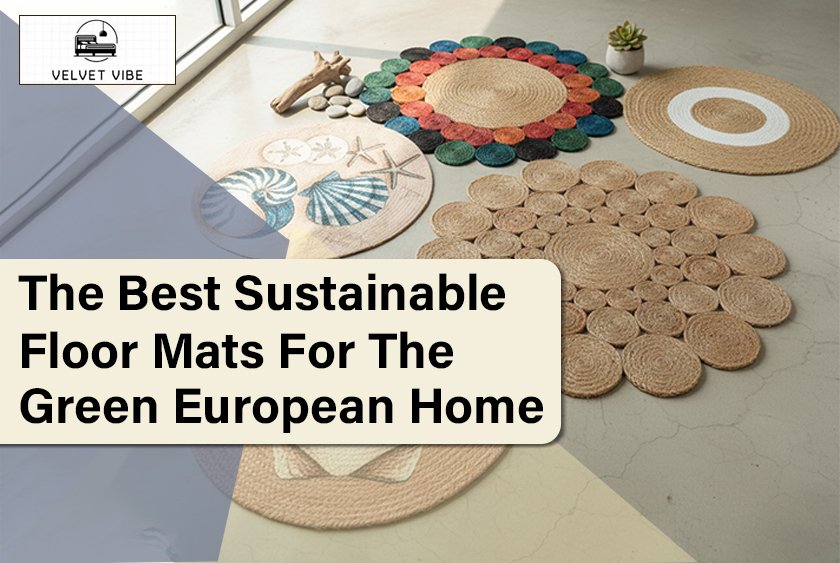
Imagine stepping into a home that feels warm, clean, comfortable, and eco‑friendly at the same time. One of the simple ways to achieve this is by choosing the right floor mats. Floor mats are the pieces of fabric or material we place on the floor to keep it clean, protect it from wear, and make our home feel cozy. But not all floor mats are the same. Some are made from harmful materials, and others are friendly to our planet.
In this article, you will learn everything you need to know about choosing the best floor mats for your home, from materials to benefits to simple care tips, in a way that feels like a story you can follow easily. We will include easy examples and even compare choices like a case study so you can make smart decisions for your home.
First, let’s start with a simple question:
Why do we need floor mats?
Floor mats help in many ways:
But more than this, today we live in a world where people care about the environment. That means we want things that are not harmful to nature. This is why sustainable floor mats are becoming popular, especially in Europe.
According to a trend study in 2025, a large number of people in Europe prefer eco‑friendly home items when they buy something for their house. This shows that people are thinking more about the Earth when they decide what to buy.
Let’s look at a simple story to understand why choosing the right floor mat matters.
The Green family wants to make their home eco-friendly. They choose mats made from natural materials like jute and cotton. These natural materials are taken from plants and break down safely when they are thrown away.
Family FastBuy picks cheap mats made from plastic and synthetic material just because they are cheap. At first, these mats look nice and colorful.
But here’s what happens:
Meanwhile:
At the end of one year, Family FastBuy spent more money on floor mats than Family Green, even though they bought cheaper ones in the beginning. This simple example shows that choosing the right floor mats matters for your home and the environment.
When we say “eco‑friendly,” we mean the item is good for the planet. For floor mats, this depends mainly on the material used to make them.
Let’s explore the common materials in simple words:
Jute is a plant fiber. It is strong and comes from nature.
Cotton comes from the cotton plant. It is soft and easy to wash.
Coir comes from coconut husks. It is very strong and tough.
These mats are made from waste materials like recycled bottles.
Each material has good points and fits different homes. What stays common is that these are better for the environment compared to synthetic mats made from plastic.
Now, let’s talk about how to choose the right floor mats step by step.
Think about the area you want to place the mat:
This is where the term “best floor mat for full room” comes into play. For the whole room, choose mats that are big, comfortable, and match your room style.
Ask yourself:
Each answer helps you choose the right material.
Some mats are easy to clean, others need special care. For example:
Always check the cleaning label.
Let’s look at some real examples:
You want comfort and style.
Best choice: A soft jute or cotton mat that covers most of the floor.
Because it makes the room warm, and you can walk around barefoot.
You want a soft feel in the morning.
Best choice: A cotton mat under your bed.
Because it feels soft on your feet and is easy to wash.
You need something strong and easy to clean.
Best choice: A coir mat.
Because it picks up dirt and mud from shoes.
You want it clean and soft.
Best choice: A large cotton or recycled material mat.
Because it is soft for kids to sit and play on and easy to clean.
These simple examples help you match your needs with the right floor mat.
Sometimes you want to cover most of the room with a single mat. This is especially true for living rooms and bedrooms. The best floor mat for a full room brings:
For large rooms, choose a mat that is
Remember, large mats are an investment, but they can make your home feel more complete.
Here are simple steps you can follow:
Good care makes your mats last longer and keeps your home fresh.
Let’s list the real benefits in simple words:
Natural and recycled materials break down safely and don’t add extra waste.
Some plastic mats release harmful tiny particles into the air. Natural mats don’t.
Strong, durable mats last longer, so you don’t buy new ones often.
Natural fibers and hand‑woven designs often look elegant and fit many home styles.
Even simple choices can go wrong. Here are common mistakes:
Avoid these mistakes by thinking ahead and matching needs with the right mat.
These easy tips help your mats stay new longer.
Homes are changing, and so are our choices. Today, more people want:
This trend is strong in Europe and growing around the world.
Choosing the right floor mats might seem small, but it can completely change how your home feels, looks, and stays clean. When you choose mats made from natural, high-quality materials, you bring comfort, style, and care for the environment into your home. From soft bedroom mats to sturdy doorway mats or full-room mats, the right choice makes your home warmer, more welcoming, and practical every day.
For premium, durable, and eco-friendly floor mats, Pruthi Shoppers Pesrur in Panipat is a trusted supplier you can rely on. Want to upgrade your home today? Call us now or contact us to get your perfect floor mat and bring comfort and style under your feet!
Natural fibers like jute and coir are very strong and long-lasting. They can handle daily use, resist wear and tear, and maintain their shape for years, making them ideal for high-traffic areas in your home.
Yes! Large mats, often called full-room mats, can cover most of your living room or bedroom. They provide warmth, make the space feel cozy, reduce dust, and create a unified, stylish look throughout the room.
Some mats, like cotton, are easy to wash in a machine. Others, like jute, need gentle cleaning with mild soap and air drying. With proper care, sustainable mats stay clean, fresh, and last for years.
Yes! Natural mats like jute, coir, and cotton have a classy, earthy look that fits most styles. They add texture, warmth, and elegance without overwhelming your home décor, blending beautifully with furniture and floors.
Cheap plastic mats wear out quickly and may curl, tear, or fade. They can trap dust and release chemicals indoors, affecting air quality. Investing in natural mats is safer, more durable, and better for your home environment.
Light cleaning daily, like vacuuming, keeps mats dust-free. Deep cleaning once a week, using mild soap or gentle washing, helps maintain freshness, hygiene, and appearance, ensuring natural mats last longer and stay comfortable underfoot.
Yes! Mats add comfort, warmth, and softness underfoot. They reduce noise, prevent slipping, and make rooms feel cozier and more inviting. Even simple mats can change the ambiance of a room significantly.
Big mats may cost more initially because they use more material and craftsmanship. However, they last longer, cover more space, provide comfort, and often save money in the long run compared to replacing multiple smaller or cheap mats.
No, natural mats like jute, coir, and cotton generally have a neutral smell. Keeping them clean and dry and occasionally airing them out ensures they stay fresh and pleasant in any room of your home.
Measure your room first, then choose mats that cover most of the floor without crowding furniture. A larger mat makes the space feel connected, warmer, and more inviting while providing practical comfort underfoot.
Developed & Maintained by Era Sky Technologies in partnership with Exporters Worlds © 2026 All Rights Reserved
Enquire Now