Your cart is empty
Continue Shopping
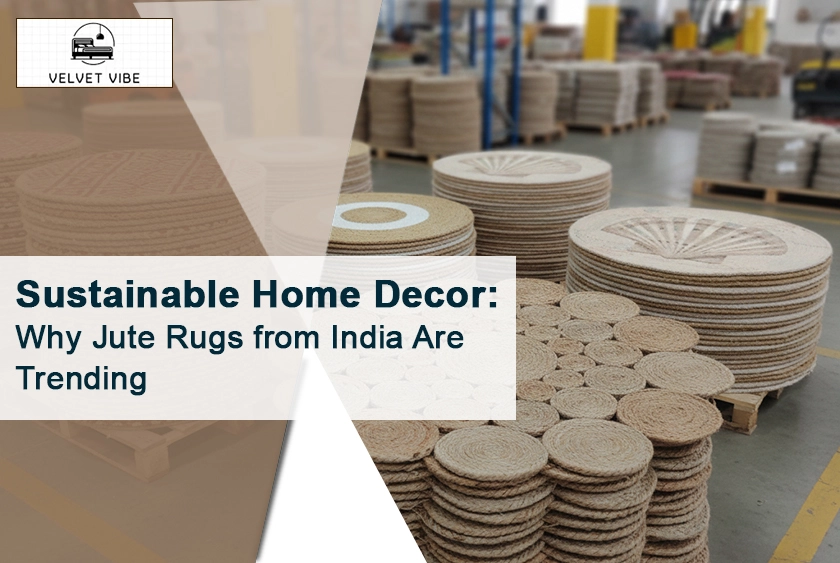
Sustainable home decor is no longer a niche idea. It has become a real buying decision for modern retailers, B2B buyers, and boutique owners. Today, customers are asking clear questions: Where is this product made? Is it natural? Will it last?
That shift is exactly why jute rugs from India are trending right now. They meet the demand for responsible sourcing, durability, and timeless design, all while fitting smoothly into retail-ready inventory models.
This guide explains why jute rugs matter today, what has changed in the market, and how retailers are sourcing them successfully from India, especially from Panipat, a global hub for woven home decor.
Over the last few years, home decor buying has changed fast. Being environmentally friendly is no longer something to be desired. It is now part of brand trust.
Retailers see this clearly:
Governments and marketplaces are also tightening rules around materials, sourcing, and transparency. Large platforms now expect sellers to clearly explain how products are made and packed.
Because of this, retailers are moving away from:
And they are choosing natural, long-lasting materials, like jute.
Jute is one of the most environmentally friendly natural fibers used in home decor today.
Here’s why it works so well:
Jute grows fast and needs very little water. It does not rely on heavy chemicals, and it breaks down naturally at the end of its life cycle.
For eco-conscious customers, this is a big win.
Unlike many “eco” materials that wear out quickly, jute is naturally strong. A well-made jute rug can handle daily foot traffic in living rooms, entryways, and even retail spaces.
Durability is key for retailers who want fewer returns and better reviews.
Traditional jute weaving uses simple processes and skilled handwork rather than energy-heavy machines. This reduces environmental impact while supporting artisan communities.
Jute is grown in many countries, but India stands out, especially when it comes to quality and scale.
India has worked with jute for generations. The knowledge is not new. It has been refined over decades, combining hand skills with modern quality checks.
This balance allows Indian suppliers to offer:
Panipat, Haryana, is widely known as the heart of India’s home textile industry. It is where craftsmanship meets large-scale production.
Manufacturers in Panipat specialize in:
This makes sourcing easier for buyers who want complete collections, not single products.
Modern retailers are not just buying products. They are buying reliability.
Here’s why jute rugs from India fit their needs:
Today’s buyers need products that arrive ready for shelves or online listings. This includes:
Indian jute rugs are designed with global retail trends in mind, not just local tastes.
Jute rugs work with many styles:
That makes them easy to sell without heavy styling or explanation.
Because jute rugs are durable and timeless, they reduce:
This makes them a safer long-term product for B2B buyers.
The trend is not just about looks. Real changes are happening behind the scenes.
Retailers now ask clear questions about:
Suppliers who can explain their process clearly are winning trust.
Low-grade jute rugs still exist in the market, but serious buyers avoid them. They look for suppliers who inspect:
Quality checks before bulk packing are now expected, not optional.
International shipping is expensive. Rugs must be packed properly to avoid moisture, bending, or damage.
Suppliers who understand export packing standards stand out.
Even with growing demand, some buyers face issues. These are the most common mistakes:
Very cheap jute rugs often use weak fibers or loose weaving. They may look fine at first but wear out quickly.
This leads to customer complaints and brand damage.
Edges, backing, and trimming matter. Poor finishing causes fraying and shape loss.
Without proper packing, rugs can arrive damp, bent, or damaged, especially during sea freight.
Based on real market experience, here is what works best:
This approach reduces risk and builds consistent inventory.
The future of home decor is simple, honest, and renewable.
Jute rugs fit that future because:
Over the next 12–24 months, demand is expected to grow as more brands move toward responsible sourcing.
Retailers who adopt jute rugs now stay ahead of the curve.
For many retailers, the real problem is not finding jute rugs; it is dealing with inconsistent quality, delayed shipments, weak finishing, and products that are not truly retail-ready. These issues cost time, margins, and customer trust.
Pruthi Shoppers Persur, based in Panipat, understands these challenges because the business is built around solving them. With strict quality checks, durable materials, and export-safe bulk packing, the focus stays on delivering jute rugs that arrive ready to sell, not ready to fix.
If you are looking for reliable jute rugs from India that match modern retail standards, now is the right time to work with a supplier who understands both craftsmanship and global expectations.
Connect with Pruthi Shoppers Pesrur to explore retail-ready jute rug solutions built for long-term growth.
Yes. Jute is a natural, biodegradable fiber with low environmental impact.
India offers strong craftsmanship, consistent quality, and reliable export processes.
Well-made jute rugs are strong and suitable for regular foot traffic.
Yes. Their neutral texture fits many modern and minimal styles.
Most suppliers offer standard global retail sizes, with custom options in bulk orders.
They are low-maintenance. Regular shaking and dry cleaning work well.
They should stay dry. Proper packing and indoor use are recommended.
Trusted suppliers inspect fiber strength, weave tightness, and finishing before packing.
Yes. They appeal strongly to eco-conscious and design-focused customers.
Yes. Their timeless look and sustainable nature make them future-proof.
Developed & Maintained by Era Sky Technologies in partnership with Exporters Worlds © 2026 All Rights Reserved
Enquire Now